Makini School Fees 2026: A Complete Guide for Kenyan Parents
Choosing the right school for your child is one of the biggest decisions you will make as a parent. In Kenya, Makini School has long been a symbol of academic excellence and holistic growth. Whether you are looking at the Ngong Road campus in Nairobi or the Kibos campus in Kisumu, understanding the financial commitment is key to a smooth transition for your family.
Makini School fees for 2026 vary depending on the grade and curriculum. For the National (CBC) curriculum, preschool fees start at approximately KES 93,097 per term, while Junior School (Grade 7-9) ranges up to KES 134,998 per term. For the Cambridge curriculum, Year 11 tuition is roughly KES 324,700 per term. These figures typically include lunch, tea breaks, and activities like swimming and chess. Note that a non-refundable admission fee of KES 2,566 and a refundable deposit of KES 13,200 are required for new students.
Education is a major investment in Kenya. According to reports from Statista, the demand for high-quality private education in East Africa continues to grow as parents seek better facilities and global curricula. Makini School, now part of the ADvTECH Group, offers both the Kenyan National Curriculum and the International Cambridge system. This flexibility makes it a top choice for many, but it also means the fee structure can be detailed.
What Is Makini School?
Makini School is a group of private schools in Kenya providing education from the early years (playgroup) through to high school. It is famous for its high performance in national exams and its focus on nurturing talents in sports, music, and the arts.
The school operates several campuses:
-
Nairobi: Ngong Road, State House Avenue, and Runda.
-
Kisumu: Migosi and Kisumu City (Nyerere Road).
Quick Facts About Makini School
| Feature | Details |
| Curricula Offered | CBC (National) and Cambridge (IGCSE) |
| Ownership | Part of the ADvTECH Group (since 2018) |
| Boarding | Available at Kibos Campus, Kisumu |
| Payment Options | M-Pesa Paybill, Bank Transfer, Early Payment Discounts |
Why Kenyans Need Makini School Fees Information
Parents need clear fee information to avoid financial surprises during the term. Knowing the makini school fees helps families:
-
Plan Long-Term: You can estimate the total cost from preschool through to Junior Secondary School.
-
Compare Options: Many parents weigh Makini against other top schools like Crawford or GEMS.
-
Understand Value: Makini’s fees are “all-inclusive” for many grades, covering meals and core co-curricular activities, which saves on daily expenses.
As highlighted by Business Daily Africa, private schools in Kenya often adjust fees based on inflation and facility upgrades. Having the most recent 2026 data ensures you are working with real numbers.
Types of Curricula and Campus Categories
Makini offers two main paths, each with its own fee structure.
1. National Curriculum (CBC)
This follows the Kenyan Ministry of Education guidelines. It focuses on competency-based learning and is currently offered from Pre-primary to Junior School.
2. Cambridge International Curriculum
This is the IGCSE path, favored by families looking for a global education. It is mainly centered at the Ngong Road and Runda campuses. It prepares students for international universities and careers.
3. Boarding vs. Day School
While most Nairobi campuses are day schools, the Kisumu Kibos campus offers boarding facilities. Boarding fees include accommodation, laundry, and 24-hour care, making it a different category entirely.
How to Access Makini School Fees and Admissions Correctly
To get started at Makini, you must follow a formal process. The school is strict about documentation to ensure they meet NTSA and Ministry of Education safety standards.
Practical Checklist for New Admissions:
-
Birth Certificate: A clear copy of the child’s birth certificate.
-
ID/Passport: Copies of both parents’ identification.
-
Previous Reports: Certified copies of the last school report (for transfers).
-
Assessment Fee: A non-refundable fee (approx. KES 1,925) paid before the interview.
-
NEMIS/Assessment Number: For those in the CBC system.
Costs and Timelines for 2026
The table below provides a breakdown of the estimated termly fees for the CBC curriculum at the Ngong Road campus for the 2026 academic year.
Makini CBC Fee Estimates (Termly)
| Grade Level | Termly Fee (KES) | Annual Total (KES) |
| Playgroup / PP1 | 93,097 | 279,291 |
| Grade 1 | 101,439 | 304,317 |
| Grade 4 | 112,699 | 338,097 |
| Grade 7 (Junior School) | 128,765 | 386,295 |
| Grade 8 & 9 | 134,998 | 404,994 |
Note: These fees typically include lunch, tea, computer labs, games, swimming, and chess.
Step-by-Step Guide: How to Get Started at Makini
-
Enquire Online: Visit the official website or contact the admissions office at any campus.
-
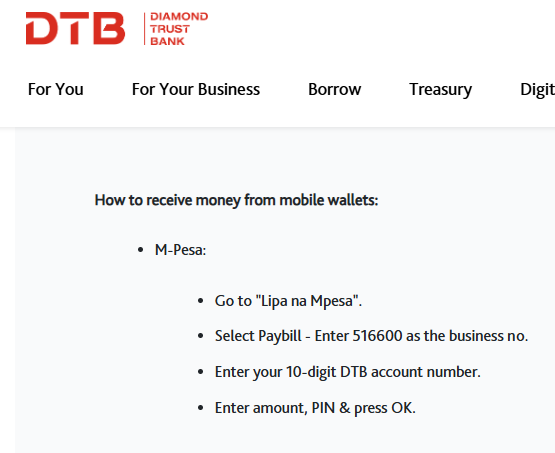
Pay Application Fee: Use M-Pesa Paybill 932271 (Account: Child’s Name/File No) to pay the non-refundable interview fee.
-
Book Assessment: Schedule an oral or written interview for your child.
-
Receive Offer Letter: If successful, you will receive an admission offer via email within 24 hours.
-
Pay Admission & Deposit: Confirm your spot by paying the admission fee (KES 2,566) and the refundable deposit (KES 13,200).
-
Submit Paperwork: Hand in all physical documents, including photos and medical forms.
-
Finalize Term Fees: Pay the full term’s fees before the first day of school to allow your child to join classes.
Common Mistakes to Avoid
-
Missing the Notice Period: Makini requires a full term’s notice before withdrawing a child.
-
Solution: If you plan to move schools, notify the administration at the start of the final term to avoid paying fees in lieu of notice.
-
-
Incorrect Paybill Reference: Using the wrong file number can lead to delays in updating your account.
-
Solution: Always double-check your child’s 6-digit file number before hitting ‘Send’ on M-Pesa.
-
-
Ignoring Discounts: Many parents miss out on saving money.
-
Solution: Pay your annual fees in full at the start of the year to get a 5% discount. Families with four or more children also get a 5% sibling discount on the youngest child’s tuition.
-
Future Updates and Trends
The Kenyan education sector is moving toward more digital integration. Makini has already launched a digital portal for parents to track progress and pay for co-curricular activities. We expect more schools to follow the lead of eCitizen Kenya in centralizing services.
Quick Poll:
Which curriculum are you currently considering for your child?
-
Kenyan National (CBC)
-
International (Cambridge/IGCSE)
FAQ Section
What is the Makini School M-Pesa Paybill number?
The official Paybill number is 932271. The account number should be your child’s unique file number.
Does Makini School offer scholarships?
While Makini does not have a public general scholarship fund, they occasionally offer discounts for high-achieving students in sports or academics. It is best to contact the Principal’s office directly for such inquiries.
Are there extra charges for co-curricular activities?
Core activities like swimming and chess are often included in the tuition for lower grades. However, specialized clubs like horse riding (approx. KES 7,000), karate (KES 3,000), or music instruments (KES 8,000) are charged separately per term.
Can I pay fees through a bank?
Yes. You can pay into their ABSA Bank Kenya account (Hurlingham Branch, Account Number: 0451200518). Always provide proof of payment to the accounts office.
My Experience with Makini Schools
I have worked with many families navigating the Kenyan private school system, and Makini consistently stands out for its organization. I remember helping a family move their children from a public school to Makini during the transition to CBC.
The biggest worry was the cost, but once they saw the “all-inclusive” nature of the makini school fees, they realized they were actually saving on things like transport and daily lunch money that they used to pay separately. The school’s transparency during the admission process helped them plan their finances a year in advance. It feels more like a partnership than just a transaction. If you are looking for a community that values character as much as grades, this is a strong contender.
Key Takeaways
-
Standard Tuition: CBC preschool starts at ~KES 93,000 per term.
-
All-Inclusive: Fees usually cover meals, computer studies, and swimming.
-
Savings: 5% discount for full annual payment and sibling discounts are available.
-
Transparency: Use Paybill 932271 for all payments to ensure a digital trail.
-
Notice: Always give one term’s notice before leaving to avoid extra costs.
Conclusion
Navigating the world of private education in Kenya requires both research and financial readiness. Makini School offers a premium environment that justifies its costs through high-end facilities and a proven track record. By understanding the makini school fees for 2026 today, you can make an informed choice that sets your child on a path to success.
We encourage you to visit the campus nearest to you for a tour. Seeing the classrooms and meeting the teachers is the best way to feel the “Fanya Kwa Makini” spirit.
Are you currently a Makini parent, or are you planning to join in 2026? We would love to hear your thoughts or answer any specific questions you have in the comments below!
Would you like me to help you find the current transport charges for your specific estate?
Sources and References
Poll Results:
Most Kenyan parents currently prefer the CBC curriculum due to its alignment with the national transition, though interest in the Cambridge system is rising among urban families seeking international flexibility.