Karura Forest Entrance Fee 2026: Everything You Need to Know Before You Visit
Introduction
Nairobi is a beautiful city, but let’s be honest—sometimes the noise, traffic, and heat can be overwhelming. You just want a place to breathe fresh air, hear birds instead of matatus, and stretch your legs without worrying about motorcycles on the sidewalk.
That is why Karura Forest is such a gem. It is one of the few places in the city where you can truly disconnect. Whether you want to jog, ride a bike, or just sit by a waterfall, this forest offers a perfect escape.
However, before you grab your running shoes, you need to know about the karura forest entrance fee and the strict rules that apply at the gate. Unlike some public parks, Karura has specific payment methods and regulations (especially about plastic bottles) that can catch first-time visitors off guard.
In this guide, I will break down exactly how much it costs to enter, what you need to carry, and how to avoid being turned away at the gate.
What Is the Karura Forest Entrance Fee?
The karura forest entrance fee is a charge collected by the Kenya Forest Service (KFS) and Friends of Karura Forest (FKF) to maintain the ecosystem. This money goes directly into keeping the trails clean, the security tight, and the forest safe from land grabbers.
It matters because this small fee has turned Karura from a dangerous “no-go zone” twenty years ago into one of the safest and best-maintained public spaces in Kenya today.
Current Entry Charges (2025)
| Category | Adult Fee (Ksh) | Child Fee (Ksh) |
| Kenyan Citizens | 100 | 50 |
| Residents (with Alien ID) | 200 | 100 |
| Non-Residents | 600 | 300 |
Note: Children are classified as anyone under 12 years old.
Why Kenyans Need Karura Forest
In a concrete jungle like Nairobi, green spaces are vital. Here is why thousands of Kenyans flock to Karura every weekend:
-
Affordable Health: For just Ksh 100, you get access to 50km of trails. It is cheaper than any gym membership.
-
Safe Environment: It is one of the few places where you can walk alone or with kids without fearing for your safety, thanks to the scouts on patrol.
-
Mental Clarity: The waterfalls, caves, and bamboo forests provide a natural therapy that helps reduce stress.
-
Family Bonding: It is a perfect alcohol-free zone for picnics and family gatherings.
Types or Categories of Fees
The entrance fee is just the start. Depending on what you want to do, there are other categories of costs you should know about.
1. Parking Fees
If you are driving, you must pay for parking. The fee applies per car per day.
-
Cars: Ksh 100
-
Minivans (14-seater): Ksh 300
-
Buses: Ksh 600
2. Picnic Charges
You cannot just spread a blanket anywhere. There are designated picnic sites (like the Ruaka or KFEET grounds). To use these, you pay an extra fee on top of your entrance ticket.
-
Adults: Ksh 150
-
Children: Ksh 100
3. Bike Riding Charges
You have two options here: bring your own bike or hire one.
-
Bringing your own bike: Free (included in entry).
-
Hiring a bike: Ksh 500 for 2 hours.
How to Use or Access Karura Forest Correctly
Accessing the forest is easy if you follow the rules. The most critical rule to remember is about payment methods and plastics.
Practical Checklist:
-
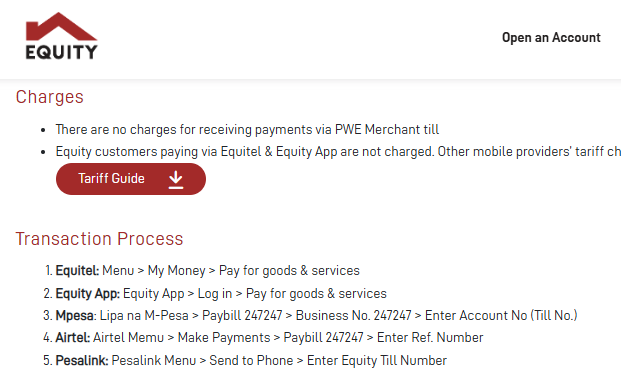
[ ] M-PESA or Credit Card: Cash is strictly NOT accepted at any gate.
-
[ ] Reusable Water Bottle: Disposable plastic bottles (like Dasani or Keringet) are banned. You will be asked to leave them at the gate.
-
[ ] National ID: Essential to prove your citizenship or residency status.
-
[ ] Walking Shoes: The trails are dusty (or muddy if it rains).
Costs, Requirements, or Timelines in Kenya
To help you budget for your day out, here is a comparison of typical costs for different activities.
| Activity | Total Cost Estimate (Citizen Adult) | Requirements |
| Jogging/Walking | Ksh 100 | Entry fee only. |
| Driving + Walking | Ksh 200 | Entry (100) + Parking (100). |
| Picnic Day | Ksh 250 | Entry (100) + Picnic Fee (150). |
| Biking (Hired Bike) | Ksh 600 | Entry (100) + Bike Hire (500). |
Opening Hours:
-
Opens: 06:00 AM
-
Closes: 06:00 PM
-
Last Entry: 05:45 PM
Step-by-Step Guide: How to Get Started
Follow this process to ensure a smooth entry.
Step 1: Choose Your Gate
-
Gate A (Limuru Road): Main gate, best for parking and accessing the KFEET centre.
-
Gate C (Kiambu Road): Also known as “Sharks,” popular for those coming from Kiambu or Thika Road.
-
Sigiria Gate (Thigiri Ridge): Best for a quiet walk and accessing the cafe.
Step 2: The Security Check
At the gate, guards will check your bag. They are looking for disposable plastic bottles. If you have one, you must pour the water into a reusable bottle or leave the plastic bottle in the bins provided.
Step 3: Payment
Proceed to the counter. Tell the clerk the number of people and cars. Pay via M-PESA Till Number or Card. Do not attempt to pay cash.
Step 4: Keep Your Receipt
You might be asked to show your receipt inside the forest by patrolling scouts, so keep it safe (or keep the M-PESA SMS).
Step 5: Enjoy the Trails
Follow the marked trails. Maps are available for sale at the gate if you want one, or you can just follow the signboards.
Common Mistakes to Avoid
-
Bringing Single-Use Plastics: This is the #1 reason for delays at the gate.
-
Solution: Buy a cheap reusable bottle at the supermarket before you come.
-
-
Carrying Cash Only: You will be stranded.
-
Solution: Ensure your M-PESA has enough balance before you leave the house.
-
-
Coming Late: The gates close strictly at 6:00 PM.
-
Solution: Arrive by 4:00 PM at the latest to have enough time to enjoy the walk.
-
-
Littering: The forest has a “Trash-in, Trash-out” policy.
-
Solution: Carry a small bag for your trash and leave the forest cleaner than you found it.
-
Future Updates or Trends
Karura Forest is becoming a model for other urban parks. We are seeing a trend towards online advance booking to manage crowds on busy weekends. There is talk that in the future, you might be able to buy a “Season Pass” digitally via the eCitizen platform to avoid queuing at the gate every time.
Also, environmental rules are getting stricter. Expect bans on other types of non-biodegradable packaging in the coming years.
Quick Poll:
If Karura Forest introduced an “Annual Pass” for Ksh 5,000 allowing unlimited entry, would you buy it?
A) Yes, I go there every week!
B) No, I prefer paying per visit.
(See the answer key at the end for the most popular choice)
FAQ Section
1. Can I pay the Karura Forest entrance fee with cash?
No. Karura Forest is a strictly cashless zone. You must pay using M-PESA or a VISA/MasterCard.
2. Are plastic water bottles allowed in Karura Forest?
No. Disposable PET bottles (single-use plastics) are banned. You must carry a reusable heavy-duty bottle. Drinks sold inside the forest cafe are served in glass or paper cups.
3. How much is the penalty for littering?
Littering is taken very seriously. While there isn’t a fixed “fine” payable on the spot, you can be expelled from the forest or arrested by the forest guards for environmental degradation.
4. Can I bring my dog?
Yes, but your dog must be on a leash. There is a designated “off-leash” area where they can run free. You also need to register your dog at the gate.
5. Is the forest safe for solo walkers?
Yes. Karura is well-patrolled by scouts and has a high number of visitors, making it one of the safest walking spots in Nairobi.
My Experience
I visit Karura at least twice a month, usually using Gate C off Kiambu Road. The first time I went after the plastic ban was enforced, I completely forgot and had a bottle of water in my bag. The guard was polite but firm—I had to pour my water into a generic bottle I bought at the gate shop for Ksh 50 or leave it behind. Lesson learned!
What I love most is the efficiency. Last Sunday, despite a long queue of cars, I was cleared in less than 5 minutes because I had my M-PESA ready. The forest air immediately changes your mood. It is cool, quiet, and smells of eucalyptus.
After a long run, I usually stop by the River Cafe. It’s a great spot to relax. Speaking of relaxing and meeting people, if you are single and enjoy outdoor activities, places like Karura are great for meeting like-minded people. But if you prefer connecting from the comfort of your home, you might want to check out the Best Online Dating Platform in kenya. It’s a convenient way to find a partner to join you for your next forest walk!
Key Takeaways
-
Go Cashless: Only M-PESA or Cards are accepted.
-
Go Green: No disposable plastic bottles allowed.
-
Go Early: Gates close at 6:00 PM; arrive early to enjoy.
-
Carry ID: Residents need proof of residency to get the cheaper rate.
-
Budget Well: Remember to add parking and picnic fees if you plan to do more than just walk.
Conclusion
The karura forest entrance fee is a small price to pay for the peace, safety, and beauty you get in return. It is one of the few places in Nairobi where the system truly works—the trails are marked, the toilets are clean, and the environment is protected.
By understanding the costs and rules beforehand, you ensure your visit is stress-free. So, grab your reusable bottle, load your M-PESA, and head out to enjoy Nairobi’s finest green space.
Have you visited Karura recently? Did you manage the “no plastic” rule okay? Let me know in the comments below!
Sources and References
(Poll Answer: In previous surveys by Friends of Karura, Option A (Yes) was the preferred choice for regular joggers and dog walkers.)